Cape Cross, Atlantic Coast. Namibia.
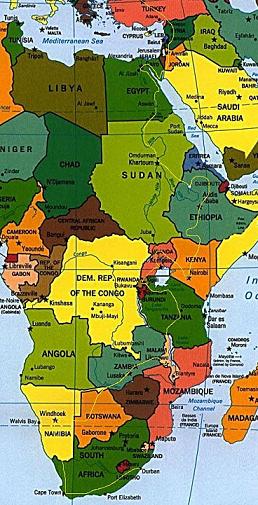
Quite a big day today. We reached the West coast of Africa. 30 days and over 6,000 kms ago we left the east coast at Peponi Beach in Tanzania. We knew we were getting close because we could see this cloud bank that hovers over the Atlantic coast. This coast line must be one of the bleakest anywhere. Early Portuguese sailors called it Areias de Inferno or Sands of Hell. To them, being shipwrecked on this treacherous coast would mean no chance of survival. For hundreds of kilometres down the coast and a hundred kilometres inland there is no water. We are camped tonight metres from the ocean. On arrival we were told there is no water as the water truck hasn’t arrived. Some things don’t change. The area attracts hundreds of surf fishermen in the season, with this campsite catering for over 500 visitors I would say at a guess yet we are the only ones here tonight.
We’ve done a couple of touristy things since leaving Etosha like a Petrified Forest and some very good rock carvings west of the national park. We have passed through some memorable scenery much of it very reminiscent of scenery in the outback of Australia. That is until you see three elephants passing by.
The carvings were very impressive. Carved by the desert Bush Men some 4000 years ago they are in a very good state. Chiselled into the sandstone they depict animals that they felt helped to bring the rains and good hunting. The carvings are reputed to be the best in the country.
From there we travelled south west to where we are now. We went a little north from here before settling for the night, to the Cape Cross seal colony. The barking and the smell of the seals strike you before you get to them but they are still an impressive sight. There must be over 4000 in the colony, it would be impossible to walk between them, while out at sea hundreds are diving for fish or just gallivanting around. A group of silver backed jackals hovered around looking for a neglected calf or an old codger ready to cark it.
Wednesday, August 13, 2008

9th August. Etosha NP
There have been so many amazing sights we have seen in the 2 days we have been in the park. To pick out any two in particular would be hard but maybe if I talk of one of the smallest and the largest mammals we have seen it may give you an idea. Yesterday we drove down to the Kalkhewel waterhole late in the afternoon. There were giraffes, an elephant, zebras as well as a hundred or so guinea fowls, and scores of Cape turtle dove. The doves were at the water, the animals were guardedly approaching the water while the guinea fowl did the wonderfully stupid display in the dirt and chasing around after each other.
Suddenly we noticed an African wild cat appear on the scene. Similar in size to or domestic cats, it has quite a pug nose. It made its way quickly to the edge of the water and hid between some of the large stones nearby. The guinea fowl set off the alarm with large hooting and, surprisingly, en masse, headed towards the cat stopping 5 metres or so away. Their cacophony continued. The cat crouched and waited. Shortly, now they had sounded the warning. The guinea fowl went off to carry on their dust bathing. Doves must be quite thick because it wasn’t long before they gained up courage and were once more flying in to drink. One took a flight path too close to the cat and ended up minus a few feathers. Still the cat waited. Another one came in, this time the cat leapt almost 2 metres in to the air and grabbed it. It was so quick. The other doves hardly noticed. It hurried away the dove fluttering fruitlessly in its jaws.
Today, again late in the afternoon, we visited the Salvadora water hole that’s in the centre of the park. There were 4 other Vehicles there including a Landrover with a film crew on board. The parking area was above the water hole and, unbeknownst to us, a metre or two above the spring from where the water flowed. Two lionesses relaxed on the edge of the water, seemingly oblivious of what was happening nearby. Cheetahs were meant to be present in the area so we spent a while looking out for them. Suddenly a very large elephant lumbered up from the west. He had been wallowing in the white clay that is prevalent in parts of the park resulting in a two tone creature. He seemed in a hurry, had a perfunctory taste of the pond water as he went past but blew that out then headed up the hill to the spring. Why have second hand water when you can get the real thing. At this point he was less than 5 metres from the cars, his proximity caused a couple of the cars to pull back but when they realized he wasn’t coming up they moved closer and watched. He spent a good 20 minutes drinking while everybody took photos and the film crew must have been ecstatic with the footage they were getting. Then all hell broke loose, the elephant headed up into the car park, his ears waving, swaying and his trunk raised. Cars went in all directions. I was in a position where I had to reverse then go forward to be able to move. The bloody elephant must have been laughing to himself on the commotion he was causing. He strolled confidently along the road, the film crew ahead catching it all. Suddenly he would turn around facing the cars following as if to say, ‘keep your distance or I will have ya!’ The last we saw of him before we turned off in another direction was him walking along the road causing consternation to a couple of other cars that had come up in the other direction. We laughed afterwards but at the time you se these behemoths and just thing how they could turn your car over just like that.
It’s a very large park, Etosha, with a varied type of vegetation. One moment you are in a grass covered plain that has hundreds of springbok, zebras, gemsbok, and wildebeest, then you are in a tree covered area favoured by the elephants and giraffes. The roads take you to the water holes that are dotted around the park. At times you might see 6 or 7 types of animals or large birds at the one water hole, of course of there are lions lying around the other animals are reticent to drink.
It’s a wonderful park, we have seen so much, good roads, good facilities and a good price of $16 per day all up. Compare that to Serengeti where they ripped us off 140 just to transit the park on diabolical roads. The three camping lodges in the park are expensive to stay at, about $50 a camp site, but there are some great lodges with camping just outside the gates less than half that price with personal ensuites per site. Usually the lodge has a viewing platform overlooking a water hole where you can sip you G&Ts watching the animals drink as the sun goes down. Very civilized.
Suddenly we noticed an African wild cat appear on the scene. Similar in size to or domestic cats, it has quite a pug nose. It made its way quickly to the edge of the water and hid between some of the large stones nearby. The guinea fowl set off the alarm with large hooting and, surprisingly, en masse, headed towards the cat stopping 5 metres or so away. Their cacophony continued. The cat crouched and waited. Shortly, now they had sounded the warning. The guinea fowl went off to carry on their dust bathing. Doves must be quite thick because it wasn’t long before they gained up courage and were once more flying in to drink. One took a flight path too close to the cat and ended up minus a few feathers. Still the cat waited. Another one came in, this time the cat leapt almost 2 metres in to the air and grabbed it. It was so quick. The other doves hardly noticed. It hurried away the dove fluttering fruitlessly in its jaws.
Today, again late in the afternoon, we visited the Salvadora water hole that’s in the centre of the park. There were 4 other Vehicles there including a Landrover with a film crew on board. The parking area was above the water hole and, unbeknownst to us, a metre or two above the spring from where the water flowed. Two lionesses relaxed on the edge of the water, seemingly oblivious of what was happening nearby. Cheetahs were meant to be present in the area so we spent a while looking out for them. Suddenly a very large elephant lumbered up from the west. He had been wallowing in the white clay that is prevalent in parts of the park resulting in a two tone creature. He seemed in a hurry, had a perfunctory taste of the pond water as he went past but blew that out then headed up the hill to the spring. Why have second hand water when you can get the real thing. At this point he was less than 5 metres from the cars, his proximity caused a couple of the cars to pull back but when they realized he wasn’t coming up they moved closer and watched. He spent a good 20 minutes drinking while everybody took photos and the film crew must have been ecstatic with the footage they were getting. Then all hell broke loose, the elephant headed up into the car park, his ears waving, swaying and his trunk raised. Cars went in all directions. I was in a position where I had to reverse then go forward to be able to move. The bloody elephant must have been laughing to himself on the commotion he was causing. He strolled confidently along the road, the film crew ahead catching it all. Suddenly he would turn around facing the cars following as if to say, ‘keep your distance or I will have ya!’ The last we saw of him before we turned off in another direction was him walking along the road causing consternation to a couple of other cars that had come up in the other direction. We laughed afterwards but at the time you se these behemoths and just thing how they could turn your car over just like that.
It’s a very large park, Etosha, with a varied type of vegetation. One moment you are in a grass covered plain that has hundreds of springbok, zebras, gemsbok, and wildebeest, then you are in a tree covered area favoured by the elephants and giraffes. The roads take you to the water holes that are dotted around the park. At times you might see 6 or 7 types of animals or large birds at the one water hole, of course of there are lions lying around the other animals are reticent to drink.
It’s a wonderful park, we have seen so much, good roads, good facilities and a good price of $16 per day all up. Compare that to Serengeti where they ripped us off 140 just to transit the park on diabolical roads. The three camping lodges in the park are expensive to stay at, about $50 a camp site, but there are some great lodges with camping just outside the gates less than half that price with personal ensuites per site. Usually the lodge has a viewing platform overlooking a water hole where you can sip you G&Ts watching the animals drink as the sun goes down. Very civilized.


Subscribe to:
Posts (Atom)